
Why You Should Add Elevation to Your Walks

If you’ve been keeping up your walks this week, nice work. Walking is one of the most underrated tools for recovery, movement quality, and general wellbeing.
But if you want to get even more out of it, there’s one simple upgrade: add elevation.
Yep, hills. Slopes. Trails. Bridges. Stairs. Anything that forces your body to work against gravity.
Why elevation matters
Walking uphill does a few things flat walking doesn’t:
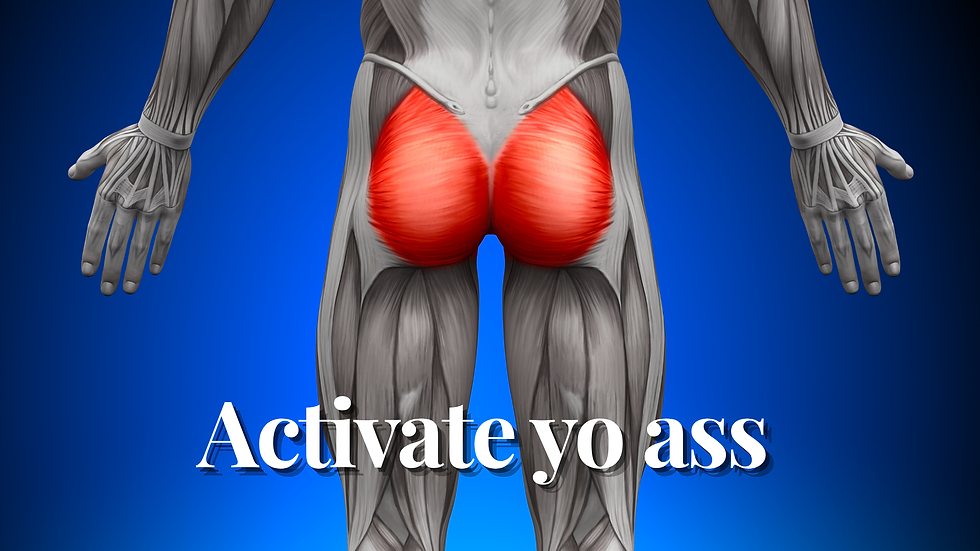
Fires up your glutes—more than nearly any other walking variation
Builds single-leg strength and control, which supports better running, squatting, and lunging
Improves your heart and lung fitness without the high impact of running
Trains your posture and core—you naturally lean forward, engage your trunk, and move with intention
Burns more energy without needing longer sessions
It’s not just about intensity. It’s about activating muscles that often stay dormant during flat walks—especially if you’ve been sitting a lot or dealing with pain.
Don’t overthink it
You don’t need a mountain. A local park with a slope, a set of stairs, or even a bridge will do. The goal isn’t to “smash it”—it’s to introduce variety and challenge your body just a bit more than usual.
Try this:
Pick a walking route this week with at least one incline
Walk at a steady pace, but don’t rush the downhill—use it to focus on control
Notice how your glutes and calves feel compared to a flat walk
This week’s mission
Make at least one of your walks a little hilly. Doesn’t have to be dramatic—just enough to feel the difference.
You’re not just walking—you’re building a body that’s more capable, balanced, and ready for anything.
Want to find out how the 'Pain Free Project' can help you? Contact us today angela@wearesimplyhuman.co.uk


Comments